Smart home office ideas: How interior design boosts your focus
In the era of hybrid work and digital overload, the modern home office has become an active participant in shaping mental clarity, focus and wellbeing. Experts increasingly describe attention as a scarce resource in our information-saturated world, and research shows that the physical environment plays a crucial role in determining how effectively we can concentrate. Designing a home office with focus in mind is no longer optional – it’s essential for sustaining productivity and protecting your cognitive health.
Overcoming the WFH attention crunch
Emerging research shows that a poor physical environment – including inadequate lighting, noise and layout – is an official psychosocial hazard that directly drives work-related stress and mental fatigue (Safe Work Australia, 2025). In the context of home offices, poor interior choices can turn a workspace into a constant source of chronic distraction. Cluttered desks, poorly lit corners or multi-purpose rooms force the brain to continuously filter competing stimuli, rapidly depleting attentional resources and leaving workers unfocused, stressed and more prone to errors.
Cognitive psychology frames this phenomenon as extraneous cognitive load: the mental effort spent processing irrelevant environmental stimuli instead of focusing on the task at hand. Even subtle interior factors, such as harsh artificial lighting or the visual chaos of overcrowded shelves, can trigger constant filtering processes, reducing working memory and limiting our capacity for deep work.
In short, a home office interior doesn’t just set the visual tone – it actively drives cognitive performance. Thoughtful design can either replenish mental energy or accelerate cognitive fatigue, making attention a finite resource that must be protected through deliberate styling and layout choices.
The steady rise of the home workspace
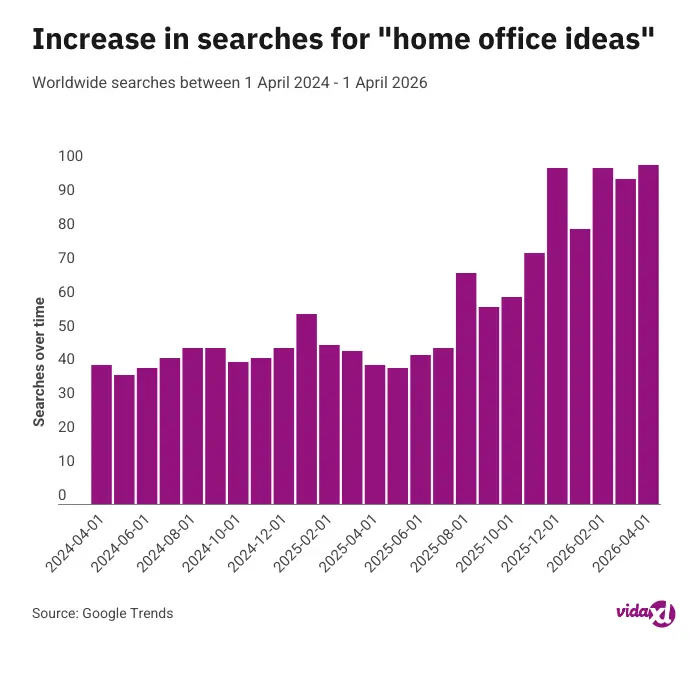
Interest in home office design has surged over recent years, reflecting the vital role the home workspace now plays.
Data spanning April 2024 to April 2026 highlights a steady rise in global searches for 'home office ideas', which peaked early this year.
This upward trend shows that more people are looking for ways to create functional, focused and aesthetically pleasing workspaces, proving that the home office is now central to daily productivity.
Crucially, research reveals that smart design choices—spanning lighting, furniture, colour and layout—go far beyond look and feel to directly improve focus, concentration and cognitive performance.
| Workspace Element |
Distracting Configuration (High Cognitive Load) |
Configuration Optimized for Concentration |
| Storage and Clutter |
Desks cluttered with documents and equipment. Open shelves that create visual chaos and cognitive fatigue. |
Minimalist desks and closed storage (drawers, cabinets). Frees up working memory by hiding unnecessary items. |
| Layout and Zoning |
Work in multifunctional spaces (e.g. dining table) without clear boundaries. Increases mental friction between work and private life. |
A separate room or a clearly defined corner with rugs or screens. Signals to the brain that it's time to focus. |
| Lighting and Placement |
Dark corners or harsh, artificial ceiling light. Causes glare, eye strain, and reduced mental performance. |
Desk by the window for maximum use of natural light. Combined with soft ambient lighting and dimmable LED lamps. |
| Colour Palette |
Bright, saturated walls or too much red. Increases stress levels and disrupts long-term concentration. |
Muted, calming base colours (soft blues or neutral tones). Vivid colours reserved only for small accents. |
| Natural Elements |
Sterile spaces made 100% of synthetic materials. Accelerates mental fatigue during long work hours. |
Biophilic design: indoor plants (snake plant, peace lily) and natural wood details that reduce stress. |
Bringing nature indoors to recharge your focus
Biophilic design – the practice of integrating natural elements into built environments – has emerged as one of the most effective strategies for boosting focus and cognitive performance. Introducing plants and natural materials into a workspace has been shown to lower stress, improve mood and rebuild a tired attention span (University of Technology Sydney, 2025).
Neuroscientific studies even indicate that biophilic geometry and fractal patterns can reduce neuroinflammatory activity, suggesting that nature-inspired design directly alters brain function.
Incorporating indoor plants, like snake plants or peace lilies, does more than just add a splash of greenery; it also significantly improves indoor air quality. Similarly, choosing natural materials like timber desks or stone accents provides tactile and visual cues that the brain connects with stability and calm, deeply enhancing the restorative power of your workspace (Kremer et al., 2024).
Optimising workspace lighting for ultimate alertness
Lighting has a massive impact on focus and daily cognitive performance. Exposure to natural daylight regulates our circadian rhythms, boosts mood and sharpens alertness. Meanwhile, artificial setups featuring adjustable brightness and colour temperatures can effectively mimic natural day-night cycles in spaces with limited window access (Scott et al., 2024). Even in immersive virtual reality trials, shifts in lighting environments have been proven to directly impact a person's ability to maintain focus and execute tasks efficiently.
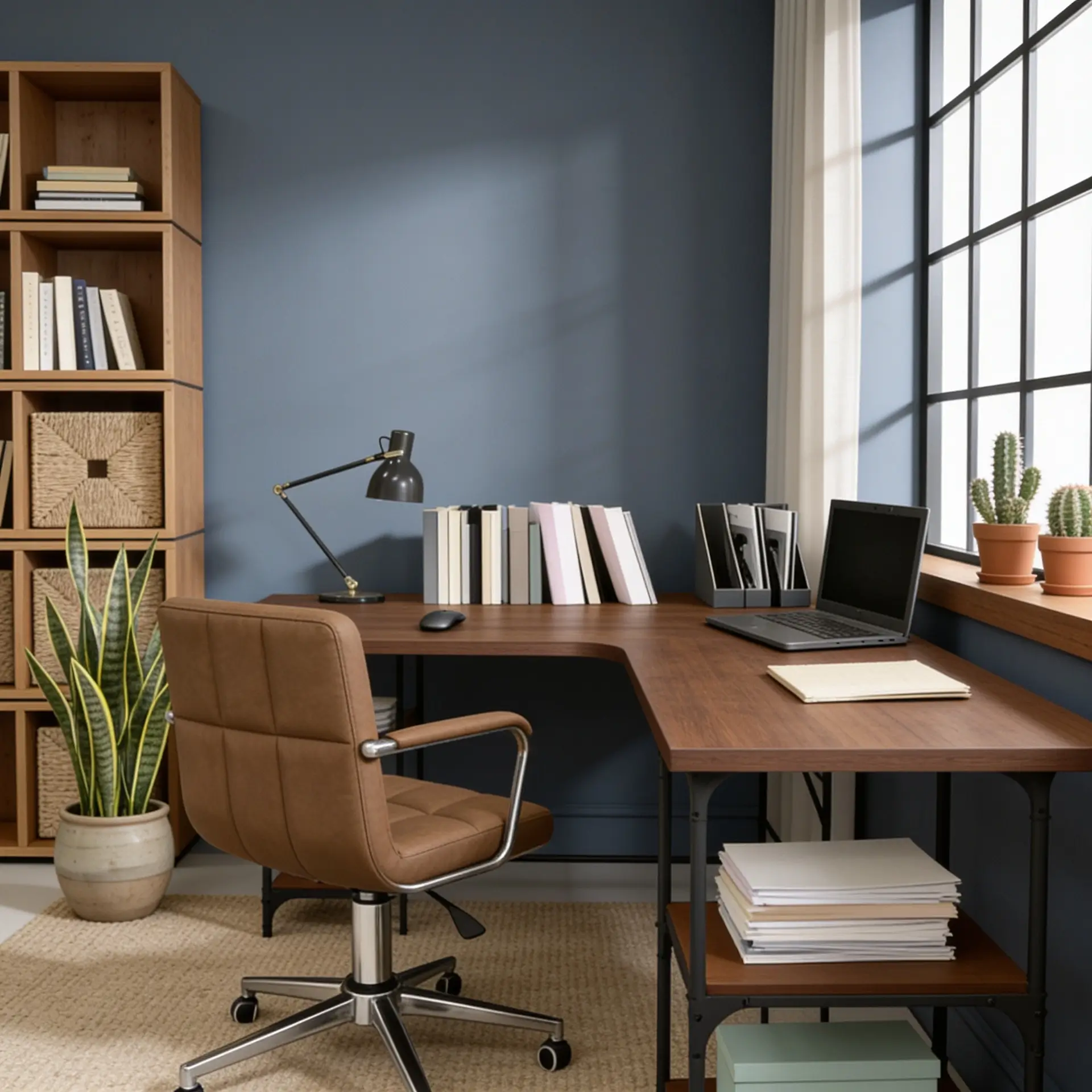
To properly optimise a home office, position your desk near a window wherever possible. Layering soft, indirect overhead lighting helps minimise glare, while tuneable LED lights allow you to adjust the room's temperature throughout the day to keep fatigue at bay. Implementing this kind of dynamic lighting helps the brain operate at peak performance, preventing the mental sluggishness that usually kicks in under harsh, static lights.
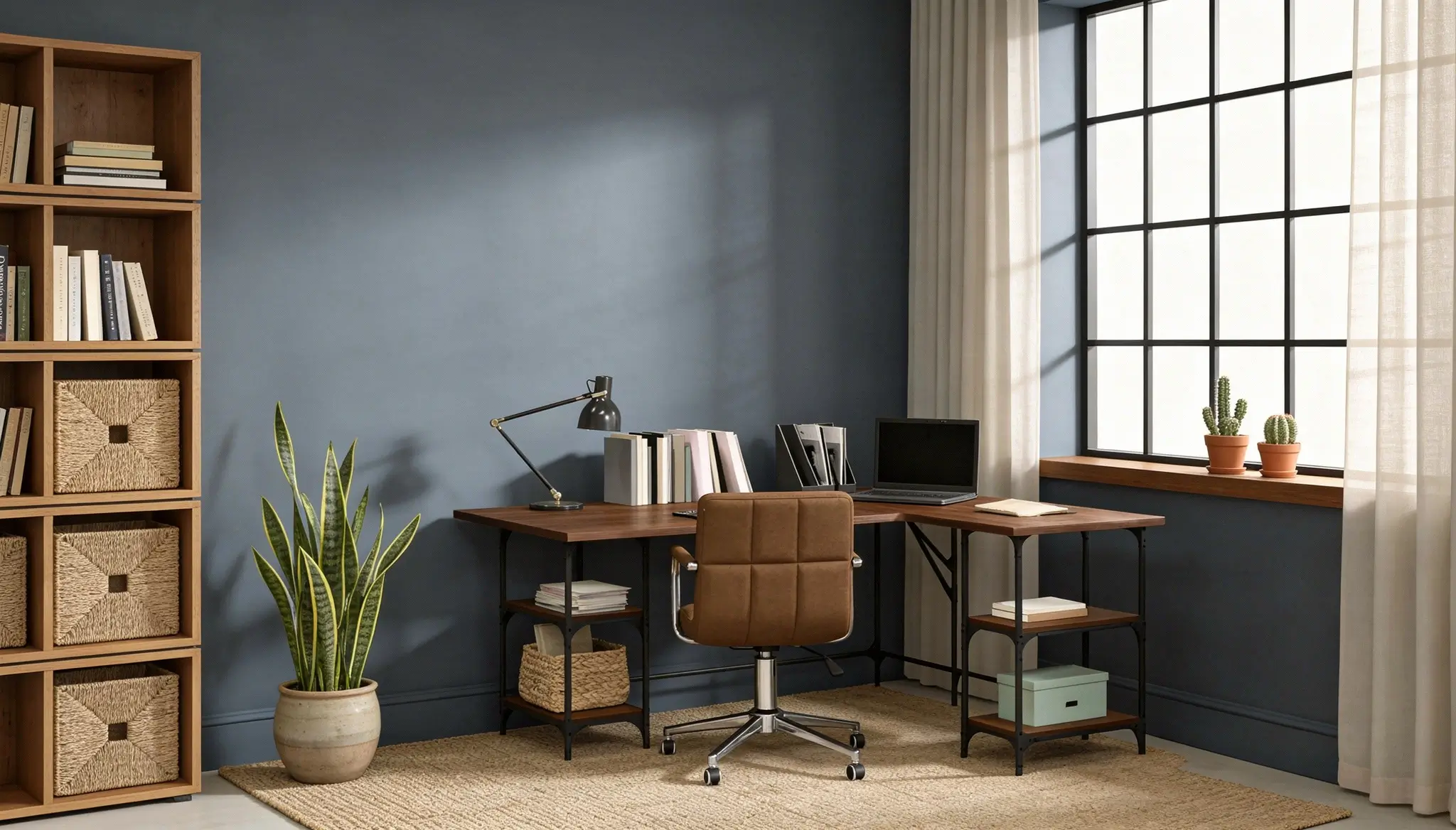
Modern home office workspace featuring a wooden L-shaped desk with a laptop, a brown leather tufted swivel chair, a tall bookshelf, and potted plants against blue-grey walls.
Choosing colours that calm the mind and boost focus
The colour of your walls and workspace elements plays a massive role in shaping daily mood and productivity. Australian neuroscientific research using immersive virtual reality setups has proven that specific hues directly alter our brain activity and autonomic nervous system, changing how we handle stress and environmental comfort (Bower et al., 2022).
While cooler tones like soft blues shift the brain into a state of relaxed focus, highly intense or poorly balanced colour environments can spike cognitive arousal and completely disrupt concentration.
For this reason, it’s worth carefully considering which colour you’re choosing for the walls of your home office. A muted, calming base colour, such as soft blues or neutrals, can help stimulate alertness and motivation. Bright, saturated colours should generally be reserved for brief visual highlights, as they can increase arousal to levels that disrupt sustained attention.
Zoning your workspace to signal focus and privacy
The layout of a home office plays a critical role in telling your brain when it’s time to switch into work mode. Rather than simply setting up a laptop at the dining table, establishing a dedicated room or a clearly defined corner creates a vital psychological boundary between your professional tasks and your home life.
Even minor adjustments can make a massive difference. Incorporating rugs, shelving units or room dividers physically zones the room, providing clear spatial cues that certain areas are strictly for high-focus tasks.
By minimising these environmental triggers, you allow the prefrontal cortex—the brain’s command centre for executive function—to work far more efficiently, paving the way for deeper concentration and sharper cognitive performance.
Decluttering to free the brain from visual overload
A desk piled high with paperwork, stationery or gadgets forces the brain to constantly filter out irrelevant stimuli, much like a computer struggling to process too many open programs at once. In fact, visual clutter actively competes for your brain's processing capacity, overloading working memory and driving up stress levels.
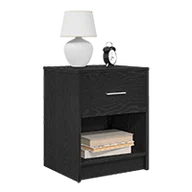
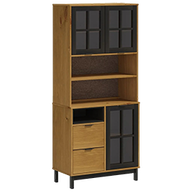
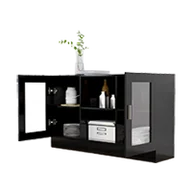
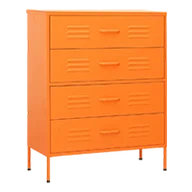
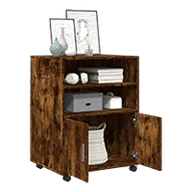
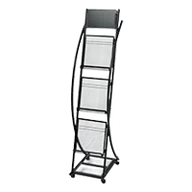
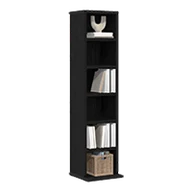
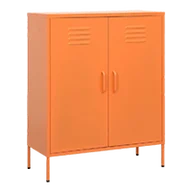
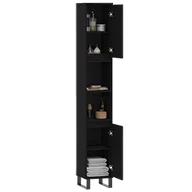
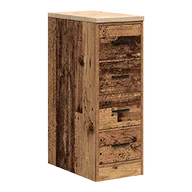
Minimising this mess starts with intentional furniture and styling choices. Opt for minimalist desks and sleek storage units with closed drawers or cupboards to keep everyday tools completely out of sight. Utilising shelving with doors or modular cabinetry prevents paperwork, electronics and personal items from crowding your workspace.
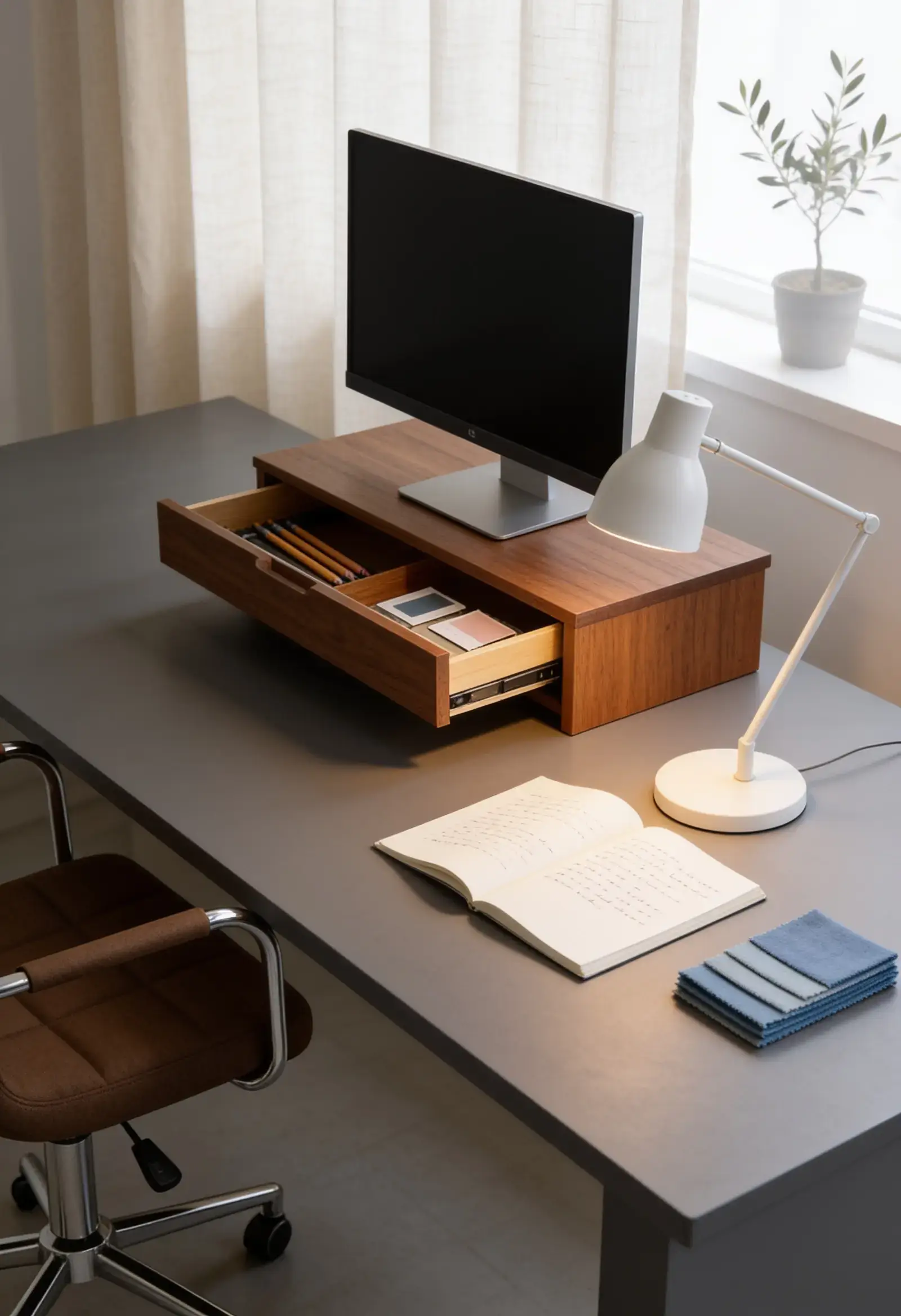
When styling the room, less is always more: limit desk accessories and decorative objects to just a few curated pieces and avoid overloading flat surfaces. Keeping your immediate visual field clear significantly cuts down on extraneous cognitive load, freeing up mental real estate for complex problem-solving, strategic decision-making and creative thinking instead of forcing your brain to constantly filter distractions. Ultimately, making these thoughtful layout choices transforms a chaotic office into a calm, highly organised environment tailored for deep work.
Designing for attention, not just aesthetics
The science is clear: a home office engineered for focus is far more than a simple design preference—it is a direct investment in your cognitive well-being. By integrating biophilic elements, tailored lighting, strategic colours, clear spatial zoning and smart decluttering systems, you transform a passive room into an active productivity ally.
Building a focus-friendly workspace doesn’t demand a complete room overhaul. Most of the time, it starts with simple, deliberate interior choices that make your environment feel calmer and more organised.
Opting for streamlined desks, utilising closed storage to keep everyday items out of sight and selecting pieces that physically distinguish your work life from your home life can make all the difference.
Minor shifts like positioning a dedicated desk near window light, swapping out harsh globes for soft ambient lighting, introducing natural timber elements or paring back decorative accessories will easily establish a workspace that fosters deep work.
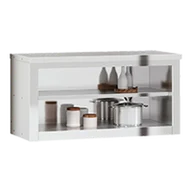
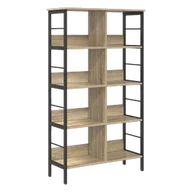
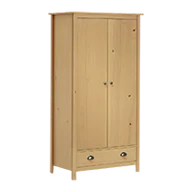
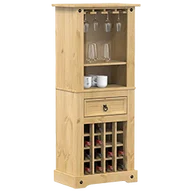
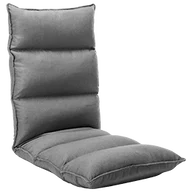
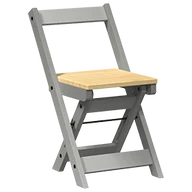
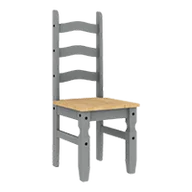
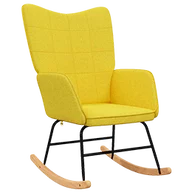
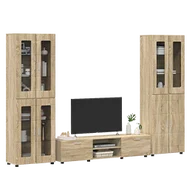
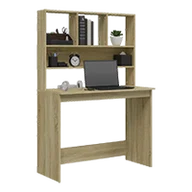
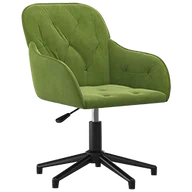
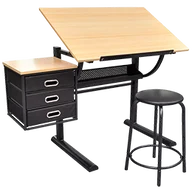
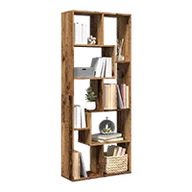
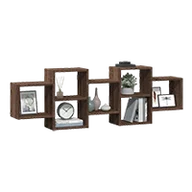
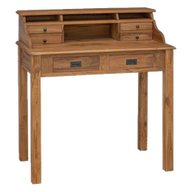
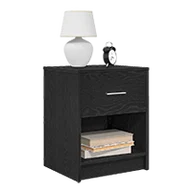
With vidaXL’s extensive range of home office furniture, curating this kind of high-performance environment is incredibly straightforward. The collection of desks, office chairs, bookcases, cabinets and clever storage solutions helps you map out a workspace that feels completely practical yet deeply relaxing.
By prioritising furniture that champions organisation, physical comfort and visual minimalism, your home office transforms into a true sanctuary designed to protect your focus and elevate your daily concentration.
Sources:
Safe Work Australia. “Model Code of Practice: Managing Psychosocial Hazards at Work”. Safe Work Australia, February 2025.
Torpy, Fraser. “Unlocking the Power of Indoor Plants for Workplace Wellbeing and Performance”. University of Technology Sydney, May 2025.
Kremer, Peter D. “An assessment of the quantifiable effects for expressed timber biophilic treatments”. Mass Timber Construction Journal, March 2024.
Scott, Hannah. “Circadian-informed lighting improves vigilance, sleep, and subjective sleepiness during simulated night-shift work”. Sleep, November 2024.
Bower, Isabella S. “Built environment color modulates autonomic and EEG indices of emotional response”. Psychophysiology, December 2022.























































































.png?sw=192)



.png?sw=192)

.png?sw=192)













.png?sw=192)

.png?sw=192)


.png?sw=192)






.png?sw=192)
.png?sw=192)